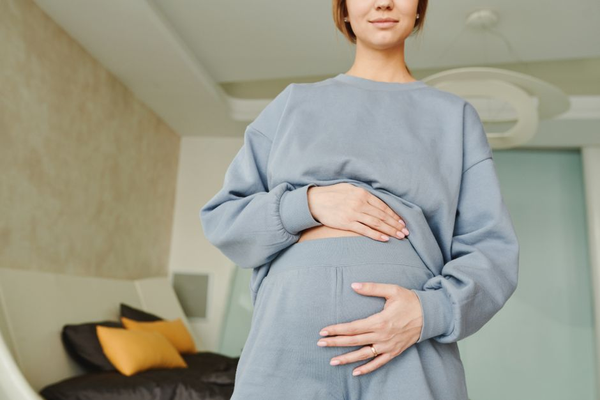
Winter cold, a rainy forecast, or simply not having access to a scenic outdoor spot doesn't rule out beautiful maternity photos — some of the most striking maternity portraits are shot entirely indoors, using nothing more than a window, a bathtub, or a cozy corner of a bedroom. Below: real indoor setting ideas that photograph well, winter-specific styling that works with the season instead of against it, a genuine rainy-day backup plan, and an option for anyone who still wants that outdoor, flower-field feeling without leaving the house.
Key takeaways
- Indoor settings aren't a compromise — window silhouettes, cozy corners, and bathtub setups are genuinely popular choices, not just weather workarounds
- Winter styling (oversized sweaters, soft knits, warm layers) works with the season rather than needing you to fight against it
- A covered porch, garage, or fully indoor session all work as real rainy-day backups, not just last resorts
- AI restyling can recreate an outdoor scene (a flower field, a forest, a beach) from an indoor photo if you want that specific look without needing the weather or location to cooperate
Why this isn't the backup plan it feels like
Maternity photography marketing leans heavily on golden-hour fields and dreamy outdoor scenery, which can make an indoor session feel like settling for less when weather or location doesn't cooperate. In practice, some of the most intimate, personal maternity photos are shot entirely inside — there's a reason "cozy home" and "window light" are among the most consistently recommended styles in maternity photography, not just a fallback category (Design Swan). An indoor session is a genuinely different aesthetic, not a lesser version of an outdoor one.
Indoor settings that actually photograph well
A handful of indoor spots consistently produce genuinely striking maternity photos:
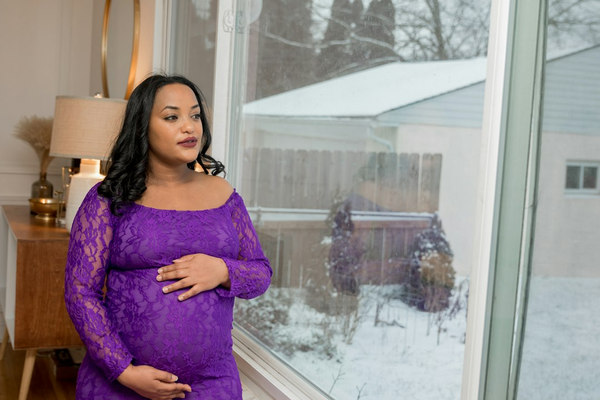
- A window silhouette. Standing between the camera and a bright window turns your shape into a soft outline — one of the most classic maternity poses, and one that requires zero outdoor space at all.
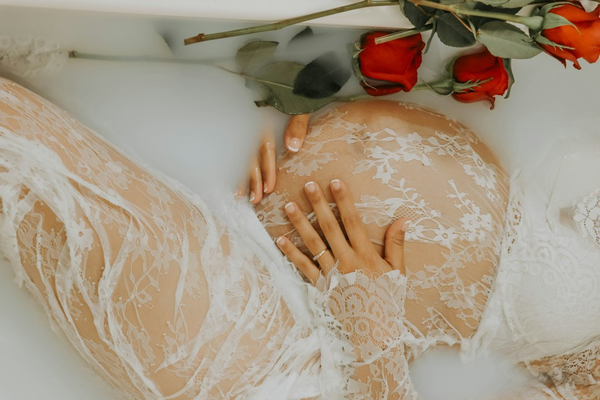
- A bathtub milk bath. Filling a tub with warm water, a splash of milk for a soft, cloudy effect, and a few flowers floating on the surface creates a visually striking, spa-like image using a bathroom you already have (Design Swan).
- A cozy corner with books and a blanket. A plush rug, a stack of favorite books, cushions, and soft lamp light create a warm, intentional-feeling setting in a living room or bedroom nook.
- The nursery or baby's future room, if it's ready. Photographing among tiny clothes, a crib, or baby books adds genuine emotional context that an outdoor field can't provide.
- A staircase. Standing partway up or down adds an interesting angle and a sense of depth that a flat wall doesn't offer.
- A full-length mirror. Beyond helping you check your own framing, a mirror shot itself makes a compelling final image, especially with soft window light behind you.
- A doorway. Standing in an open doorway creates natural architectural framing around you, adding structure to a photo without requiring you to move to a specifically decorated spot.
- The kitchen, mid-routine. A candid moment making tea or cooking, captured from a slight distance, reads as genuinely lived-in and personal rather than staged — a strong option if posed portraits feel unnatural to you.
Getting the lighting right indoors
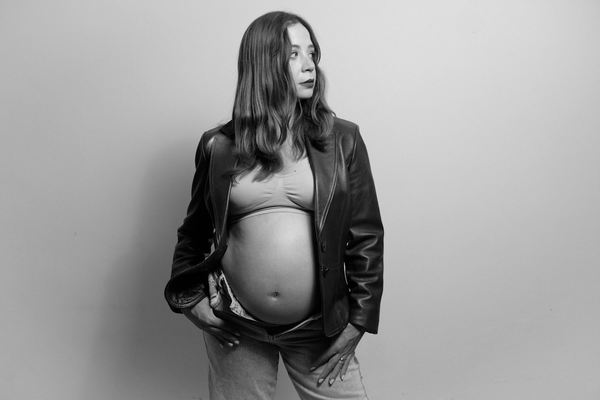
Indoor light behaves differently than outdoor light, and a few adjustments matter more inside than out. Position yourself facing or at an angle to a window rather than with your back to it, since backlighting from a window (without a specific silhouette effect in mind) tends to leave your face underexposed and in shadow. Turn off overhead ceiling lights if you're using window light as your main source — mixing daylight with indoor bulbs creates an uneven, often unflattering color cast across the photo. And if natural light is limited, a simple desk lamp with a warm bulb, bounced off a wall or angled away from direct exposure, can supplement window light without needing any actual photography equipment.
Making a small or cluttered space feel intentional
Not every home has an obviously photogenic room, and that's a separate problem from lighting or location entirely. Decluttering the specific area the camera will actually see — even if the rest of the room stays messy — makes a bigger difference than the room's overall size or style. Framing tightly on yourself rather than including a wide view of the space hides a multitude of background issues that would be obvious in a wider shot. And a plain bedsheet or large piece of fabric in a solid, neutral color, hung or draped behind you, works as a genuine improvised backdrop if no wall in your home reads as clean enough on its own.
Working with, not against, winter
If your photos are happening in the colder months, lean into it rather than trying to fake a different season. Oversized sweaters, soft knits, and layered cardigans are seasonally appropriate and genuinely flattering for maternity photos, giving both warmth and visual texture that a bare-shoulder summer look can't offer. Curtains, blinds, and even houseplants can be used to cast soft shadow patterns across a wall or across you, adding visual interest to an otherwise plain indoor backdrop. And if the season naturally brings string lights, a decorated tree, or warm-toned lamps into your home already, those make genuinely useful ambient light sources and background details without any extra effort.
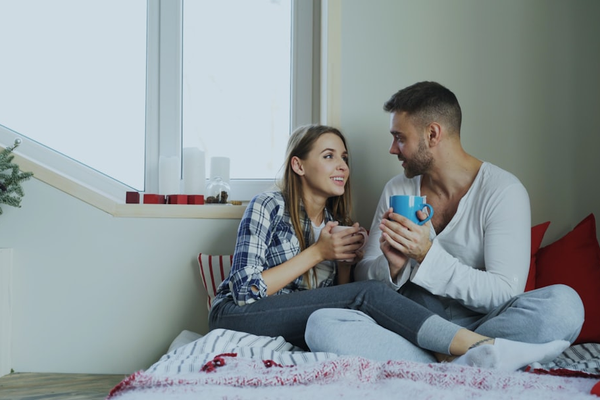
A few small winter-specific props add warmth without any purchase: a mug of tea or hot cocoa held in both hands gives you something natural to do with them, thick knit socks or slippers add texture to a seated or reclining shot, and a chunky knit throw blanket doubles as both a prop and a way to actually stay warm during a longer session. None of these require anything beyond what most households already have on hand during the colder months.
A real rainy-day backup plan
If rain (rather than cold) is the obstacle, a few options keep a planned outdoor session from being a total loss:
- A covered porch or carport. Both offer real natural light and a sense of being outside without direct rain exposure, and often photograph better than expected once you're actually there.
- Shooting through a window with rain visible outside. Rather than avoiding the rain entirely, using it as a soft, moody backdrop behind you can produce a genuinely atmospheric result rather than a compromise.
- Moving the whole session indoors with no attempt to fake outdoor light. Leaning fully into an indoor aesthetic, rather than trying to replicate outdoor lighting conditions you don't have, generally produces a more cohesive, intentional-looking set of photos than a half-outdoor, half-improvised session.
- Rescheduling isn't a failure, but it isn't always necessary either. If you're on a timeline (a specific week of pregnancy, a limited visit from a photographer), a good indoor session is a completely legitimate substitute, not a lesser fallback.
If you're working with a hired photographer, mention the possibility of a weather backup before the day itself, not as a last-minute scramble. Ask directly whether they have indoor location options they've used before, or whether they're comfortable adapting to your home — a photographer who's used to this question will usually have a ready answer, and one who seems thrown by it is worth noting for future reference. Building the backup plan into the original conversation removes a genuine source of day-of stress if the forecast doesn't cooperate.
If you still want that outdoor, flower-field feeling
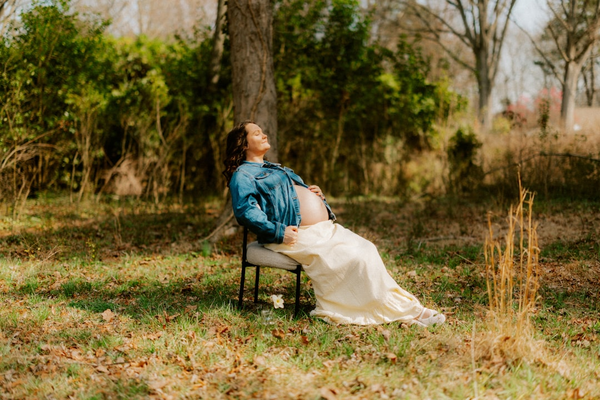
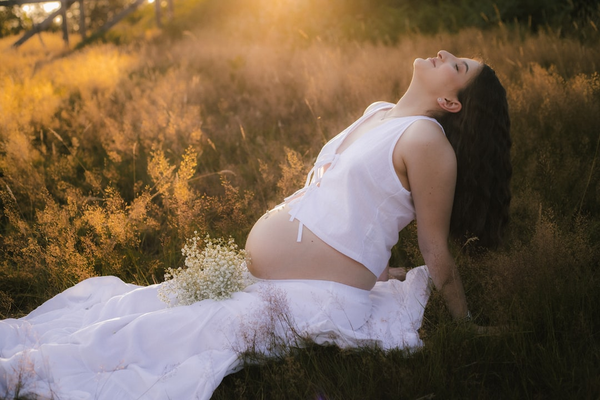
Sometimes a rained-out or too-cold outdoor plan leaves a specific image in your head — a sunlit field, a forest path, flowers everywhere — that indoor styling genuinely can't replicate on its own. This is where an AI maternity photo generator like AI Maternity Photoshoot Lab offers something indoor photography alone can't: upload a clear indoor photo of yourself, and the system restyles the entire scene, including the setting, into something closer to that outdoor look you had in mind — a sunlit field, a forest, or another natural setting — without needing the actual weather, season, or location to cooperate at all.
Worth being honest about: this generates the system's own interpretation of an outdoor scene rather than transporting you to a specific real location you have in mind — you won't get an exact recreation of a particular field or forest, but a new, styled version inspired by that general look. Results depend on your source photo's clarity, so a well-lit, front-facing indoor shot works better than a dim one. It works from a single portrait of one person, so it can't merge in a separate photo of a partner. And like any AI-generated image, small artifacts around hands or fabric are occasionally possible. New accounts get 30 complimentary credits, and photos that don't meet the basic requirements are auto-blocked before any credits are used, so there's no cost to seeing what an outdoor-style restyle looks like from a photo you already have.
Choosing between indoor styling and an outdoor restyle
If you're weighing whether to fully commit to an indoor aesthetic or use AI to evoke an outdoor one, it helps to ask what you actually pictured for this specific set of photos. If the appeal of an outdoor scene is mostly about the visual — soft golden light, a field of flowers, a sense of open space — a restyled version from an indoor photo can capture a lot of that feeling without needing the actual location. If what you wanted was the specific experience of being outside on a particular day, in a particular place, that's something no restyle recreates, and an indoor session on its own terms, or waiting for better conditions, might matter more to you than approximating the visual alone. Neither choice is more "real" than the other — they're just different ways of ending up with a photo you'll actually want to keep.
Frequently asked questions
Q. What are some winter maternity photo ideas for indoors? A. Window silhouettes, a bathtub milk bath, a cozy corner with a blanket and books, the nursery if it's ready, a staircase, or a full-length mirror shot all work well, especially paired with oversized sweaters and soft winter layers.
Q. What's a good backup plan for maternity photos on a rainy day? A. A covered porch or carport keeps natural light without direct rain exposure, shooting through a window with rain visible outside creates a moody backdrop, or moving the whole session indoors and leaning fully into an indoor aesthetic all work as real alternatives, not just last resorts.
Q. I don't have a good location for maternity photos — what can I do? A. Indoor settings like window light, a bathtub, or a cozy home corner are genuinely strong options on their own, and if you specifically want an outdoor look you can't access, an AI-generated restyle can recreate that kind of scene from a photo taken anywhere.
Q. Do indoor maternity photos look less professional than outdoor ones? A. Not inherently. Window light, cozy interior settings, and bathtub milk baths are established, popular styles in their own right, not lesser substitutes for an outdoor session — the quality comes from lighting and composition, not the setting's location.
Q. What should I tell my photographer if I'm worried about bad weather? A. Bring it up before the session, not the day of. Ask whether they have indoor alternatives they've used before or are comfortable adapting to your home — a photographer experienced with this question will have a ready answer.
Q. Can I combine an indoor photo with an outdoor-style background later? A. Yes. An AI maternity photo generator can restyle an indoor photo's overall setting into something closer to an outdoor scene, though it produces its own interpretation rather than an exact recreation of a specific real location.